




Modern Outdoor Solutions: Traditional Pergola or Bioclimatic System?
With the arrival of spring and summer, our terraces, verandas, and gardens transform into the outdoor living rooms of our homes. To make these spaces more comfortable and functional by protecting them from the sun's harsh rays or a sudden downpour, shading systems come into play. The two most popular options on the market, the Traditional Pergola and Bioclimatic Systems, are often confused, but they have significant differences in their primary purpose and the advantages they offer.
The Traditional Pergola: Classic Protection and Aesthetics
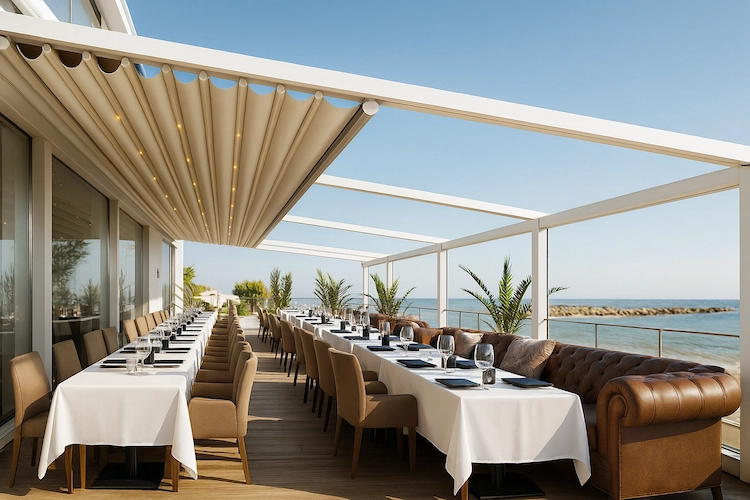
When one thinks of a pergola, the image that usually comes to mind is a system built on support posts with a retractable awning (typically made of waterproof PVC fabric) on top. Fenestra's retractable pergola systems fall into this category, and their main purpose is to provide protection from sun and rain.
- Sun and Rain Protection: Its motorized awning, which can be opened and closed with a single button, effectively shields you from sunlight and precipitation.
- Aesthetic Versatility: With a variety of fabric options in different colors and textures, it adds an aesthetic warmth and elegance to your space.
- Cost-Effective Solution: It generally has a more budget-friendly initial cost compared to bioclimatic systems.
Ideal Use Cases: Outdoor areas of cafes and restaurants, residential gardens and terraces, and spaces where the primary need is protection from sun and rain.
The Bioclimatic System: Technology, Comfort, and Four-Season Use
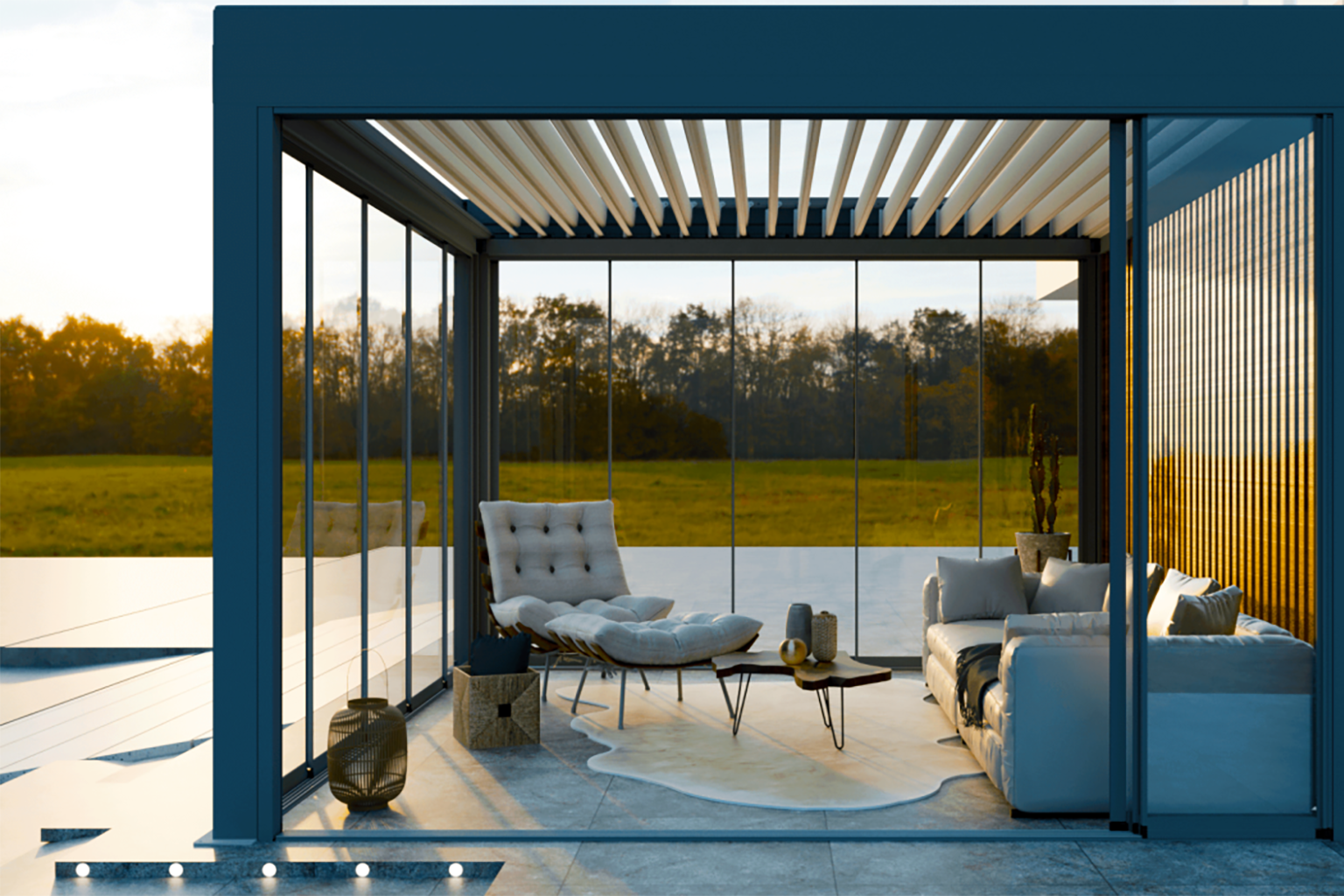
Bioclimatic systems represent the next step in shading technology. Instead of fabric, their roof consists of aluminum panels (louvers) that can rotate on their own axis and, if desired, retract completely. This structure gives them a "climate control" feature.
- Climate Control and Ventilation: Thanks to the adjustable aluminum panels, you can control the angle of the sun's rays as you wish. More importantly, by slightly opening the panels, you can create natural air circulation (the chimney effect) that allows hot air to escape, keeping the space cool.
- Complete Waterproofing and Snow Load Resistance: When the panels are in the closed position, they provide complete water sealing thanks to special gasket systems. Its robust aluminum structure is also resistant to snow load, making it a true four-season solution.
- Modern and Minimalist Design: It generally has a more modern and technological appearance. Comfort is maximized with options like integrated LED lighting and automation.
Ideal Use Cases: Villas where the outdoor space is intended for year-round use, luxury restaurants, hotels, and all projects that seek a combination of technology and comfort.
The Comparison: Which Should You Choose?
To make the right decision, you just need to identify your needs and priorities:
- Purpose of Use: If your main expectation is to be protected from sun and rain during the summer months, a traditional pergola is an excellent choice. However, if you want to use your space in winter, provide air circulation, and control the climate, you should direct your investment towards a bioclimatic system.
- Budget: While a traditional pergola generally offers a more economical initial investment, a bioclimatic system can be a more valuable long-term investment with its four-season usability and technological advantages.
- Design Preference: For a warmer, more traditional aesthetic, the traditional pergola is suitable. For a modern, minimalist, and technological look, the bioclimatic system will be the better fit.
To get more information on deciding the best shading system for your project and to discover our custom solutions, do not hesitate to contact Fenestra's experienced team.