





Fire Shutters: Not Just a Security Measure, a Vital Protective Shield
When fire safety in a facility is discussed, most people immediately think of smoke detectors, sprinkler systems, and fire extinguishers. These are "active" fire protection methods and are undoubtedly vital. However, there is another part of the equation that is often overlooked but just as critical: passive fire protection. One of the most important heroes of these systems is the fire shutter.
What is a Fire Shutter and How Does It Differ from a Standard Shutter?
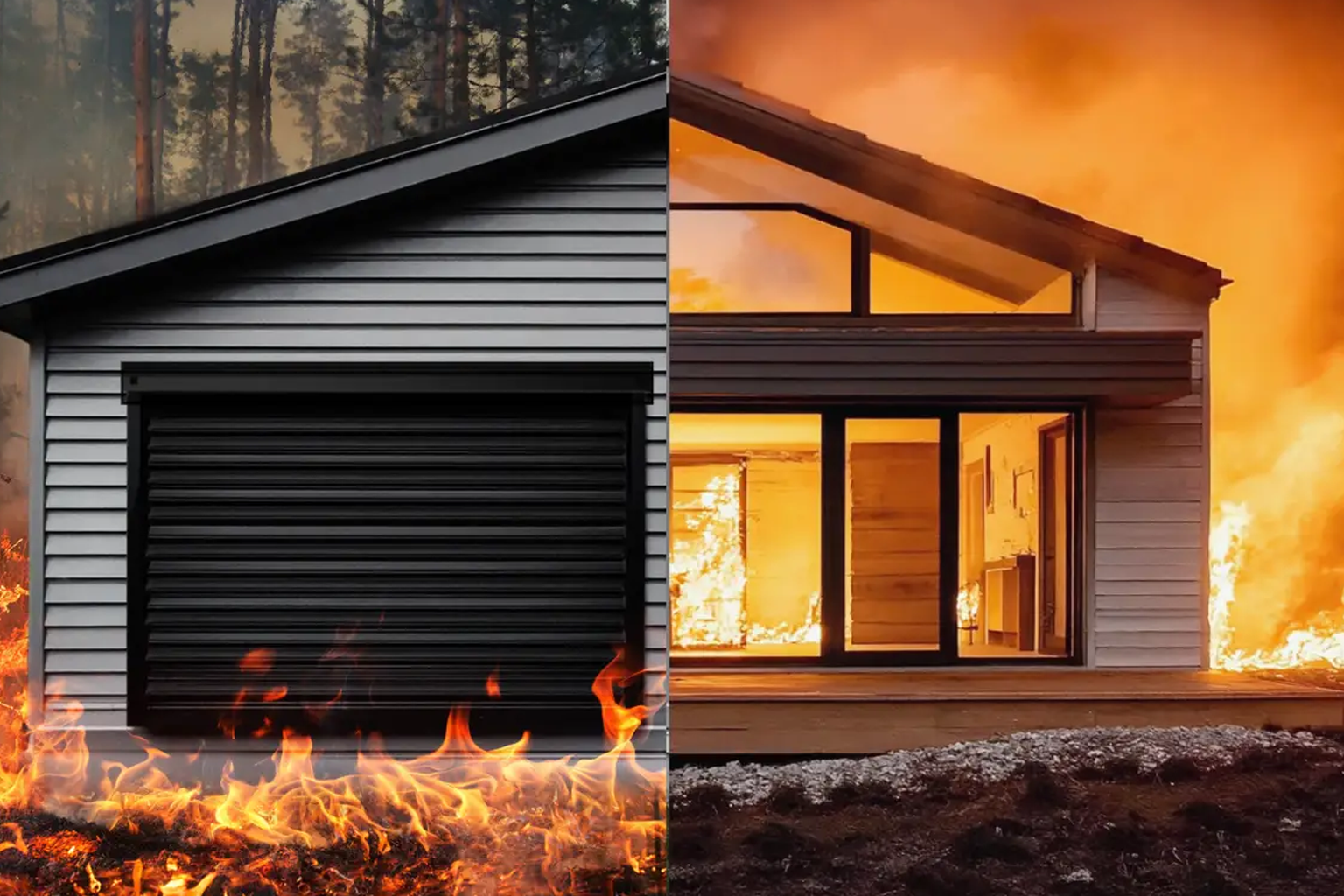
While it may look like a standard security shutter at first glance, a fire shutter is much more. Its primary purpose is not to prevent theft, but to block the passage of flames, smoke, and high heat from one section of a building to another for a specific period during a fire. These shutters are manufactured from highly fire-resistant materials, such as special galvanized steel, and feature special seals that expand in the heat to close any gaps. While a regular shutter would deform and lose its function at high temperatures, a fire shutter is designed to maintain its integrity.
How Does It Work in a Fire?
During normal times, fire shutters remain in a fully open position, not obstructing passage. However, they are automatically activated upon receiving a signal from the building's fire alarm system or its integrated smoke/heat detectors. Its motorized mechanism ensures the shutter closes in a controlled manner, creating an impenetrable barrier between two zones. This action:
- Slows the spread of the fire, making it easier to control.
- Buys valuable time for people to evacuate the building safely.
- Protects valuable machinery, equipment, and goods in the unaffected sections.
What Do Fire Resistance Classes (E, EW) Mean?
The most important factor determining the performance of a fire shutter is its international certification. The codes you see on Fenestra's F80 and F100 models indicate how long and under what conditions the shutter can withstand fire.
- E (Integrity): This refers to the shutter's ability to prevent flames and hot gases from passing to the other side for a specified duration (e.g., 180 minutes). An E180 certified shutter maintains its flame-proof integrity for 180 minutes (3 hours).
- EW (Integrity and Radiation Reduction): This class indicates that in addition to maintaining its integrity, the shutter also limits the heat radiation transmitted from the fire side to the non-fire side. This is a critical feature to prevent materials on the non-fire side from igniting due to the intense heat. EW90 signifies that the shutter maintains both its integrity and keeps heat transmission below a specific level for 90 minutes.
Where Are They Used?
Fire shutters are used wherever fire regulations require them and where fire risk needs to be compartmentalized:
- Entrances and exits of underground parking garages
- Passages between different sections in factories and production facilities
- Corridors separating stores or floors in shopping malls
- Logistics depots and warehouses
- Kitchen and service areas in hotels
In conclusion, a fire shutter is not a luxury choice but one of the wisest investments for ensuring life and property safety, meeting legal obligations, and protecting business continuity. To determine the most suitable fire shutter solution for your project's needs, you can get a free survey and consultation service from Fenestra's expert team.